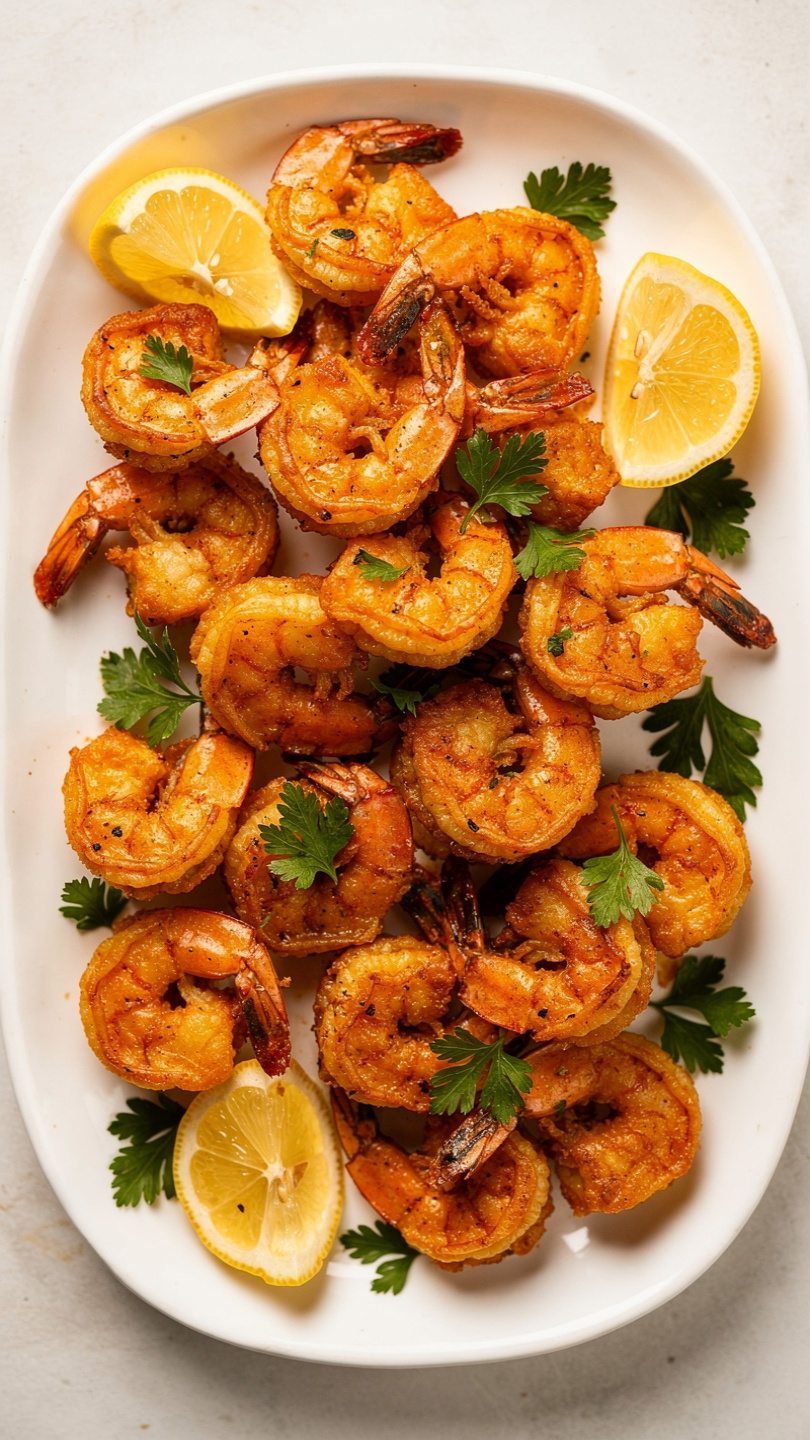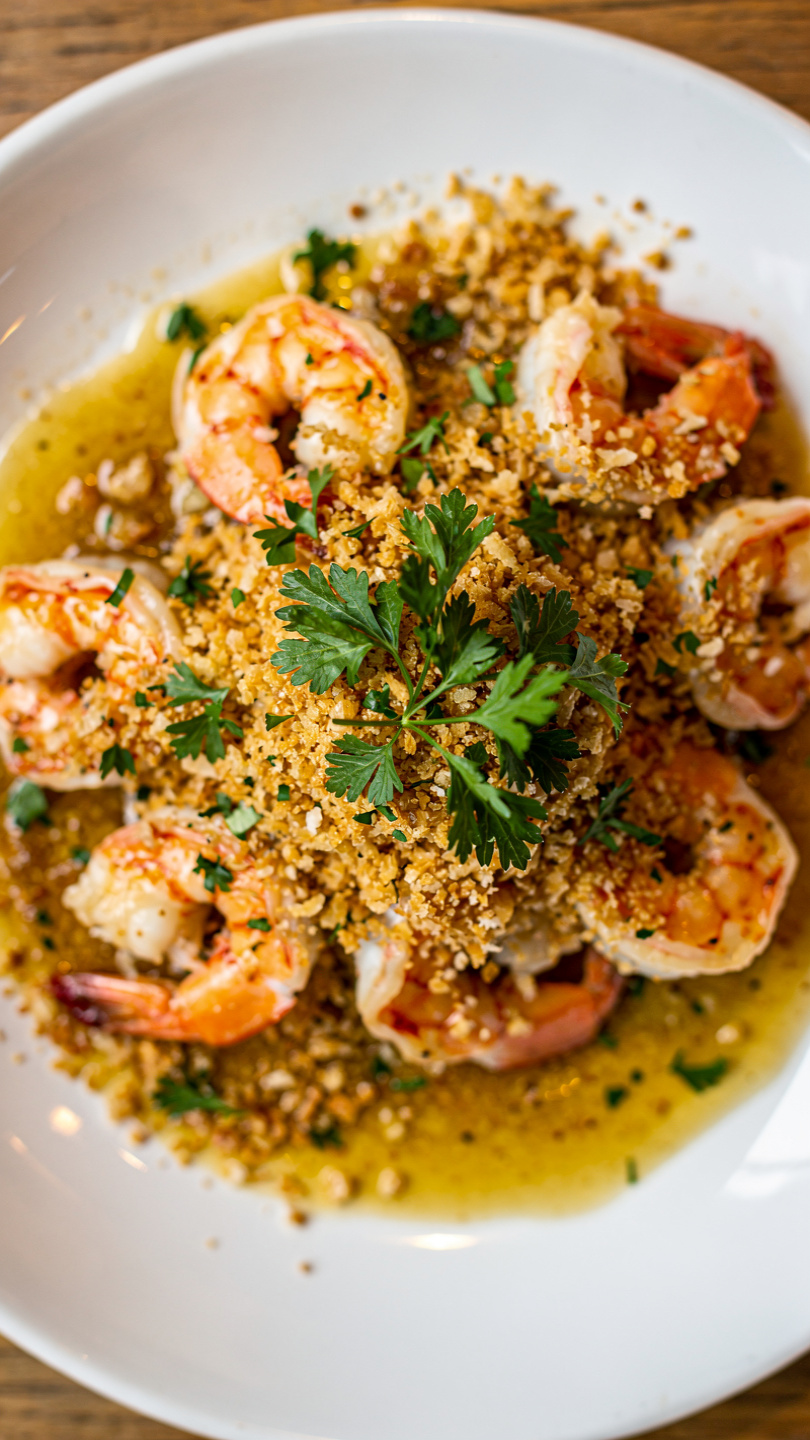
Shrimp De Jonghe
This classic Shrimp De Jonghe recipe layers plump shrimp with a buttery, garlicky, sherry-spiked breadcrumb topping for a rich baked seafood dish that's ready in under an hour.

What Is Shrimp De Jonghe, Really?
If you have ever scrolled through old Chicago restaurant menus or flipped past a yellowed church cookbook, you have probably bumped into Shrimp De Jonghe without knowing its backstory. This is a steakhouse-era classic: plump shrimp nestled under a rich, garlicky, sherry-laced breadcrumb topping, baked until golden and bubbling. It tastes like something you would order at a white-tablecloth supper club, but it comes together with a short ingredient list and zero fancy technique.
So what is Shrimp De Jonghe exactly? Think of it as shrimp scampi's richer, more decadent cousin. Instead of a thin garlic butter sauce, the shrimp get blanketed in a thick, buttery breadcrumb mixture that turns into a crisp, savory crust in the oven. It is the kind of old school dish that deserves a comeback on your dinner table.
Before we get cooking, the right tools and a couple of key ingredients make a real difference here. A good shallow baking dish helps the shrimp cook evenly, and using real dry sherry instead of an imitation "cooking sherry" gives the topping its signature depth.
The Ingredients That Make This Recipe Work
This Shrimp De Jonghe recipe leans on a handful of pantry staples, but a few of them are non-negotiable for getting that classic flavor:
- Large shrimp hold up best to baking without turning rubbery or overcooking.
- Softened butter is the backbone of the topping, so let it come fully to room temperature before mixing.
- Dry sherry is the ingredient that separates this from a basic baked shrimp dish. It adds a nutty, slightly sweet backbone you cannot fake with broth alone.
- Fresh breadcrumbs soak up the butter and sherry without turning gummy, unlike very fine dried crumbs.
Chef's Tip: Mash the butter, garlic, breadcrumbs, and seasonings together with a fork or your hands rather than a mixer. You want a coarse, spreadable paste, not a smooth puree.
A Few Notes Before You Start
A lot of people searching for a Shrimp De Jonghe recipe land on versions from Allrecipes or wonder if there is a Pioneer Woman take on it, and while the broad strokes stay the same across versions, the sherry and fresh garlic are what give this one its signature backyard-supper-club flavor. This recipe is also a close cousin to Shrimp Imperial, though Shrimp Imperial typically folds the shrimp into a mayonnaise-based filling rather than topping it with a buttery crumb crust.
If you usually reach for shrimp dijon recipes when you want something rich and garlicky, this is a great next dish to try since it has that same indulgent, special-occasion feel without much extra effort.
Ready to make it? Here is the full step-by-step recipe:
Shrimp De Jonghe
This classic Shrimp De Jonghe recipe layers plump shrimp with a buttery, garlicky, sherry-spiked breadcrumb topping for a rich baked seafood dish that's ready in under an hour.
Ingredients
- 1 1/2 lb large shrimp, peeled and deveined, tails removed
- 3/4 cup unsalted butter, softened, divided
- 4 garlic, cloves, minced
- 1 1/2 cups fresh breadcrumbs, from day-old white bread
- 3/8 cup dry sherry, plus more to taste
- 1/4 cup fresh parsley, finely chopped
- 2 tbsp lemon juice, freshly squeezed
- 1/2 tsp paprika, plus extra for sprinkling
- 1/8 tsp cayenne pepper, or to taste
- 1/2 tsp kosher salt
- 1/4 tsp black pepper, freshly ground
Instruction
Preheat the oven to 375 degrees F (190 degrees C) and lightly butter a 9x13 inch baking dish or four individual gratin dishes.
Pat the shrimp dry with paper towels and arrange them in a single, snug layer in the prepared dish.
In a medium bowl, mash together the softened butter, minced garlic, breadcrumbs, sherry, parsley, lemon juice, paprika, cayenne, salt, and pepper until a thick, spreadable paste forms.
Spoon and spread the breadcrumb mixture evenly over the shrimp, pressing gently so it adheres.
Sprinkle the top with a little extra paprika for color.
Bake uncovered for 18 to 20 minutes, until the shrimp are pink and just cooked through and the topping is golden and bubbling.
If you want a deeper golden crust, switch the oven to broil for the final 1 to 2 minutes, watching closely so it does not burn.
Let the dish rest for 3 minutes, then serve immediately straight from the baking dish with crusty bread or over rice.
Equipment
- 9x13 inch baking dish or individual gratin dishes
- Mixing bowl
- Wooden spoon or rubber spatula
- Measuring cups and spoons
Notes
Serving Suggestions
Shrimp De Jonghe is rich, buttery, and intensely savory, so it pairs best with something simple alongside it:
- A crusty baguette or garlic bread for soaking up every bit of the butter
- Steamed white rice or orzo to catch the sauce
- A crisp green salad with a sharp vinaigrette to cut through the richness
- A glass of the same dry sherry or a chilled white wine
Storage and Reheating
Leftovers keep in the fridge for up to 2 days in an airtight container. Reheat gently in a 325 degree F oven for about 10 minutes so the shrimp stay tender. Skip the microwave if you can, since it tends to overcook the shrimp and turn the topping soggy instead of crisp.
Variations to Try
Once you have made the classic version, feel free to play with it a little:
- Swap in scallops or a mix of shrimp and scallops for a seafood medley.
- Add a layer of sauteed mushrooms underneath the shrimp for an earthy twist.
- Stir a tablespoon of grated parmesan into the breadcrumb topping for extra savoriness.
Chef's Tip: Resist the urge to overbake. Shrimp go from tender to rubbery fast, so pull the dish the moment they turn opaque pink and the topping is golden.
However you serve it, this Shrimp De Jonghe recipe is proof that a handful of humble ingredients, treated with a little care, can taste like something straight out of a vintage supper club.