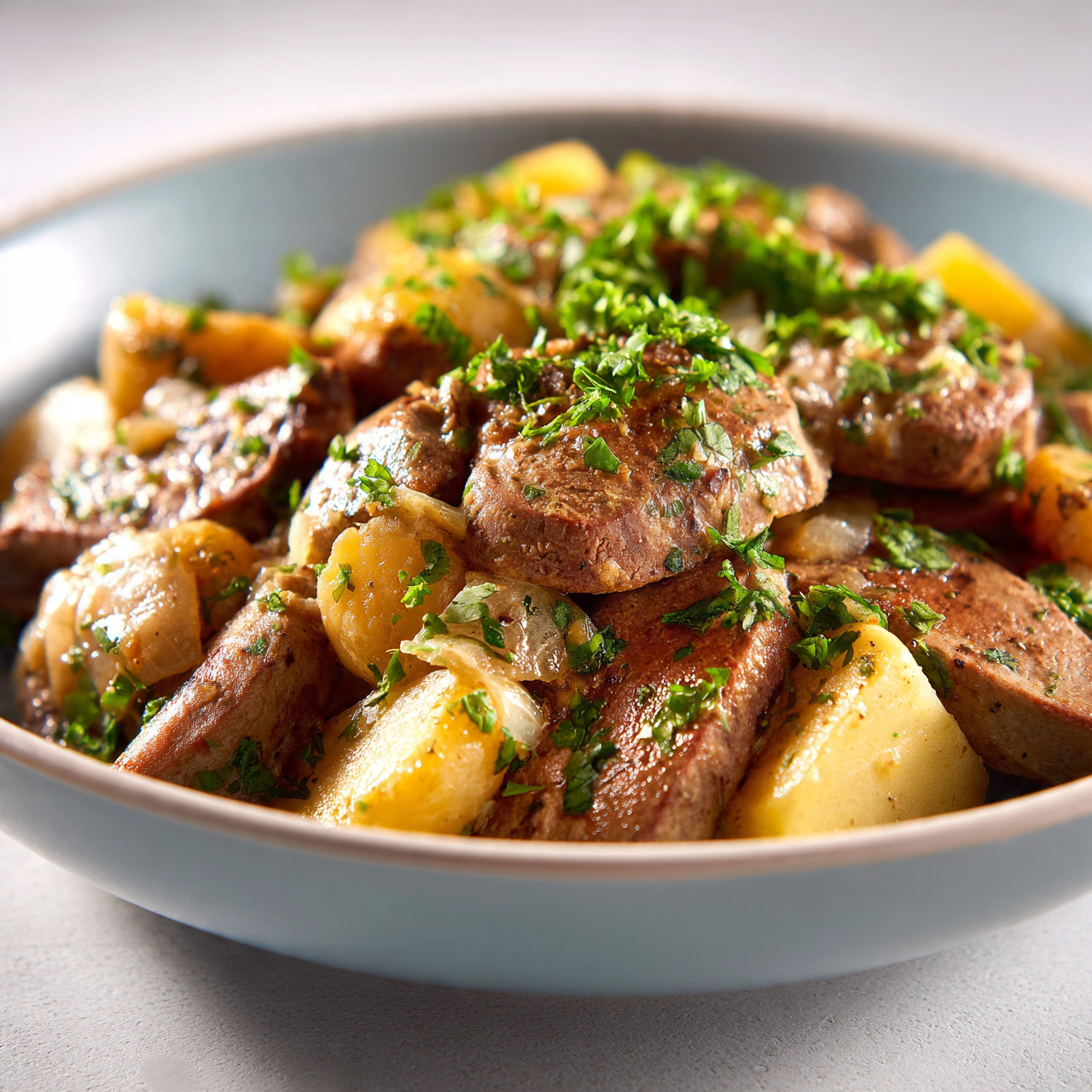
The Absolute Best Beef Liver and Onions Recipe
Learn how to cook beef liver and onions the right way, with tender, flavorful results every time. This classic organ meat recipe will convert even the biggest skeptics.

The Beef Liver Recipe That Will Change Your Mind
Beef liver gets a bad reputation, and honestly, it is usually deserved, but only when it is cooked badly. Overcooked, under-seasoned liver that skipped the soak is a genuinely unpleasant experience. But properly prepared beef liver and onions is something else entirely: rich, savory, deeply nourishing, and so satisfying it hits differently than almost any other weeknight dinner.
This is the absolute best liver and onions recipe you will find, and it comes down to three things: soaking the liver in milk, caramelizing the onions low and slow, and not overcooking the liver by even thirty seconds. Master those three things and you will wonder why organ meat recipes ever fell out of fashion.
Eating beef liver regularly was standard practice for generations, and there is good reason to bring it back. Beef organs are among the most nutrient-dense foods on the planet, packed with B12, iron, folate, and CoQ10 in amounts that almost no other food can match. A single serving of cooked liver delivers more complete nutrition than a conventional multivitamin.
If you have been curious about organ meat recipes but felt intimidated, this is the perfect entry point. The flavor is bold but balanced, and the technique is straightforward once you understand the why behind each step.
Having the right pan makes a bigger difference here than in almost any other recipe. A heavy cast iron skillet holds heat evenly and gives the liver that gorgeous, deep sear without steaming it. Using quality ingredients, especially real unsalted butter and low-sodium beef broth for the pan sauce, elevates this dish from humble to genuinely memorable.
How To Prepare and Cook Beef Liver the Right Way
The biggest mistake people make when cooking liver and onions is rushing. Both the soak and the onions require patience, and skipping either step shows up immediately on the plate.
The milk soak is the most important prep step in the entire recipe. Submerging your liver slices in cold milk for 30 minutes to 2 hours draws out blood and the compounds responsible for that sharp, metallic bitterness. The result is a noticeably cleaner, milder flavor that even people who claim to dislike liver tend to enjoy.
The caramelized onions are not optional background flavor. They are half the dish. Cook them over medium heat for a full 18 to 22 minutes, stirring occasionally, until they turn a deep amber gold. Rushing this step on high heat gives you sad, slightly browned onions instead of the sweet, jammy, complex ribbons that make this recipe great.
Chef's Tip: Pat the liver slices completely dry after the milk soak before dredging in flour. Any surface moisture will cause the flour to steam rather than sear, and you will lose that beautiful brown crust that adds so much flavor.
Cooking Liver and Onions: The Sear Is Everything
Once your onions are done and your liver is dredged, the actual cook time is under six minutes total. The liver goes into a screaming-hot pan with butter and oil, and it stays there for just 2 to 3 minutes per side.
The goal is a deeply browned exterior with a center that is still just barely pink. Pressing on the slice with your finger, it should feel slightly springy, not firm. Overcooked liver is dense, grainy, and bitter. Properly cooked liver is tender, almost creamy, and deeply savory.
- Do not crowd the pan. Cook in batches if needed. Crowding drops the temperature and causes steaming instead of searing.
- Do not move the slices around. Let the crust form undisturbed for the full 2 to 3 minutes before flipping.
- Pull it early. The liver will carry over cook slightly once it leaves the heat.
Ready to cook it yourself? Here is the complete step-by-step recipe:
The Absolute Best Beef Liver and Onions Recipe
Learn how to cook beef liver and onions the right way, with tender, flavorful results every time. This classic organ meat recipe will convert even the biggest skeptics.
Ingredients
- 1 1/2 lb beef liver, sliced 0.5-inch thick, membrane removed
- 1 cup whole milk, for soaking
- 2 yellow onions, large, thinly sliced into rings
- 1/2 cup all-purpose flour, for dredging
- 4 tbsp unsalted butter, divided
- 2 tbsp olive oil, divided
- 3 garlic cloves, minced
- 1/2 cup beef broth, low sodium
- 1 tbsp Worcestershire sauce
- 1 tsp fresh thyme, leaves only, or 0.5 tsp dried
- 1 tsp kosher salt, plus more to taste
- 1/2 tsp black pepper, freshly ground
- 2 tbsp fresh flat-leaf parsley, roughly chopped, for garnish
Instruction
Place the sliced beef liver in a shallow dish and pour the milk over it. Cover and refrigerate for at least 30 minutes, or up to 2 hours. This step draws out bitterness and results in a noticeably milder, more tender liver.
Remove the liver from the milk and pat each slice completely dry with paper towels. Discard the milk. Season the liver generously on both sides with salt and pepper.
Spread the flour in a shallow plate. Dredge each slice of liver lightly in flour, shaking off any excess. Set aside on a clean plate.
Heat 2 tablespoons of butter and 1 tablespoon of olive oil in a large, heavy skillet (cast iron works best) over medium heat. Add the sliced onions and cook, stirring occasionally, for 18 to 22 minutes until deeply golden and caramelized. Add the garlic during the last 2 minutes. Transfer the onions to a plate and tent loosely with foil.
Increase the heat to medium-high. Add the remaining butter and olive oil to the same skillet. Once the butter is foaming, add the liver slices in a single layer. Do not crowd the pan. Cook for 2 to 3 minutes per side until browned on the outside but still slightly pink in the center. Work in batches if needed.
Transfer the cooked liver to the plate with the onions. Pour the beef broth and Worcestershire sauce into the hot skillet, scraping up any browned bits from the bottom. Simmer for 1 to 2 minutes until the sauce reduces slightly.
Return the liver and onions to the skillet. Scatter the fresh thyme over the top and gently toss everything together for 30 seconds just to warm through. Taste and adjust seasoning.
Plate immediately and garnish with chopped fresh parsley. Serve hot alongside mashed potatoes, egg noodles, or crusty bread.
Equipment
- Large cast iron skillet or heavy-bottomed pan
- Shallow dish for soaking
- Shallow plate for dredging
- Tongs
- Paper towels
- Sharp chef's knife
- Cutting board
Notes
Serving, Variations, and What to Do With Leftovers
Classic beef liver and onions is traditionally served over creamy mashed potatoes, which soak up the pan sauce beautifully. Egg noodles, buttered rice, or thick slices of crusty sourdough are all excellent alternatives.
For a slightly different spin, try this with elk liver or other wild game organs. The method is identical, though a longer soak is recommended for stronger-flavored wild meat.
Leftovers keep in the fridge for up to 2 days. Reheat gently in a covered skillet with a splash of beef broth to keep everything moist. The microwave is not your friend here.
A note on sourcing: Whenever possible, choose grass-fed beef liver from a trusted butcher or farmers market. Grass-fed liver has a noticeably cleaner flavor and a more vibrant color than conventionally raised alternatives, and the nutritional profile is even more impressive.