German Apple Pie (Apfelkuchen) with Buttery Shortbread Crust
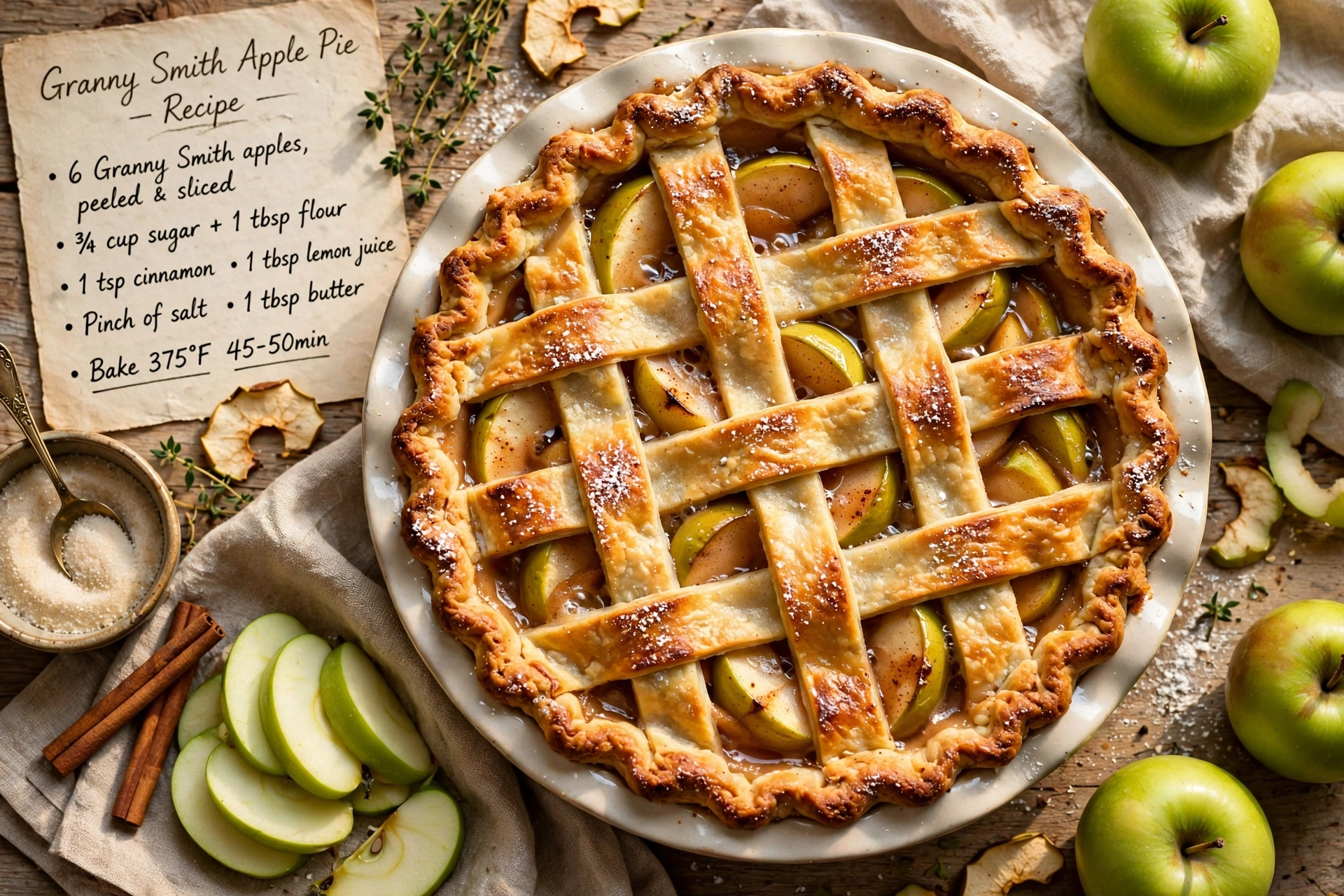
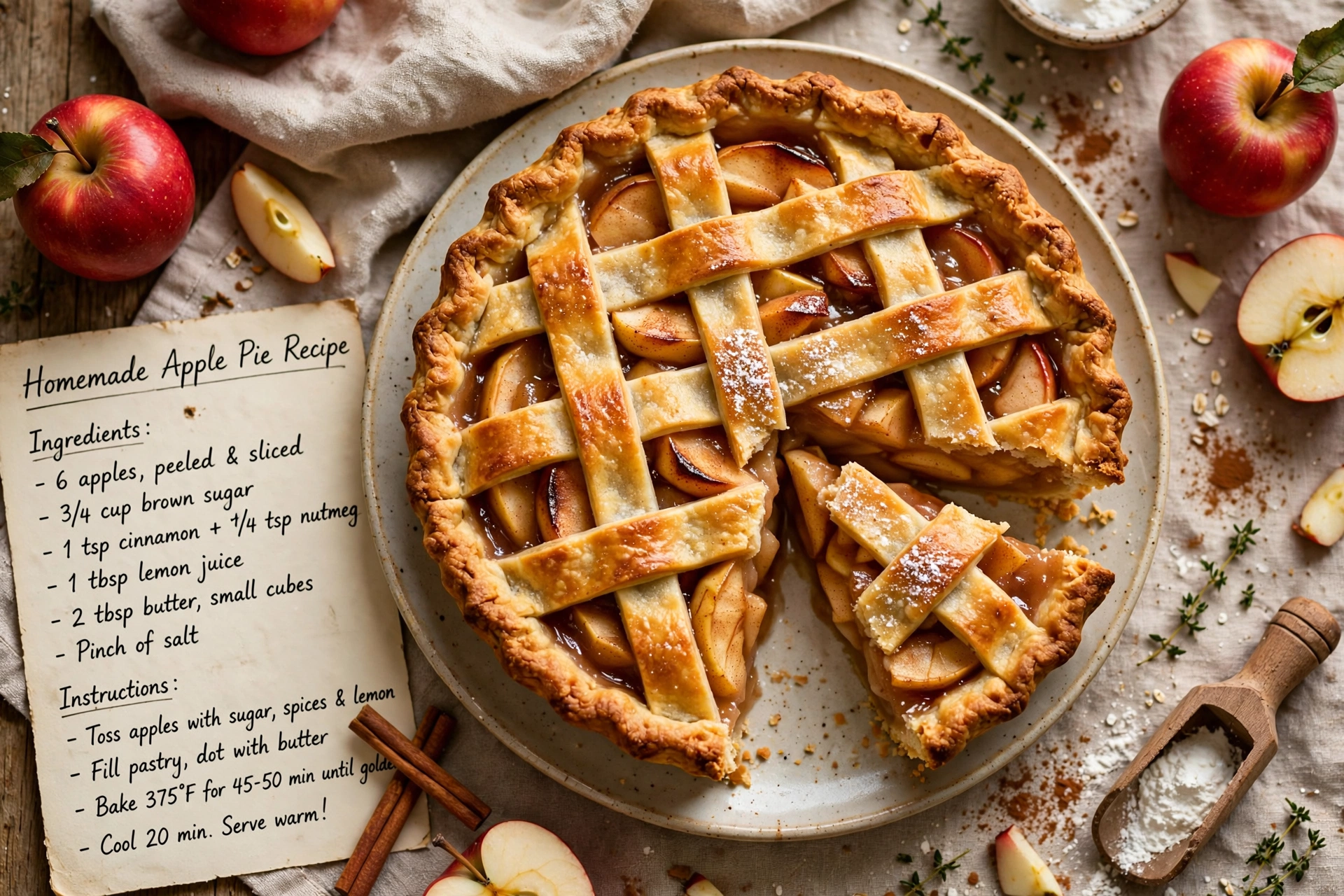
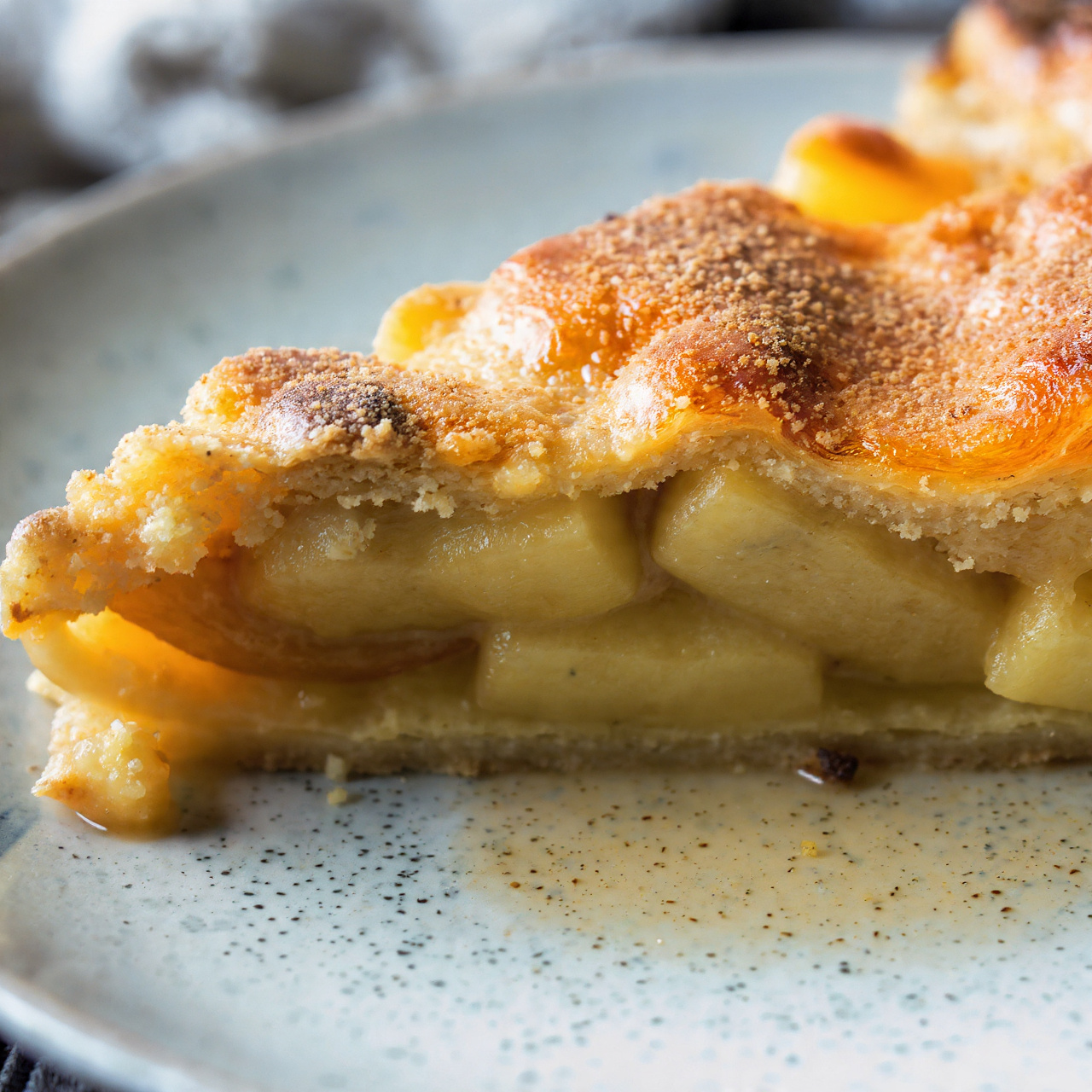
This German Apple Pie features a buttery shortbread crust, a thick layer of cinnamon-spiced apples, and a golden lattice top. It is the ultimate cozy dessert pie for any occasion.

A Slice of German Comfort
There is something deeply comforting about a real German Apple Pie. Unlike the flaky, all-butter American style, this Apfelkuchen leans on a thick, cookie-like shortbread crust that cradles a generous mountain of cinnamon-spiced apples. It is sturdier, richer, and honestly a little more forgiving for home bakers who worry about pastry work. If you have ever admired fancy apple pie crust designs on a bakery counter in Germany, this is the pie behind them.
This is not a thin, dainty dessert. It is a tall, rustic dessert pie built for slicing into thick wedges and serving with coffee on a Sunday afternoon. Whether you are looking for an amazing apple pie to bring to a potluck or simply want to try a fancy apple pie that feels a little different from the usual, this recipe delivers.
Before we get cooking, the right tools and ingredients really do make a difference here. A sturdy springform pan keeps the tall shortbread walls intact, and a good pastry cutter saves your hands from overworking the cold butter, which is the secret to that signature crumbly texture.
Why This Crust Works So Well
German apple pie crust behaves more like a shortbread cookie than traditional American pie dough. It contains baking powder, which gives it a light, slightly cakey snap instead of the flaky layers you might expect. This makes it incredibly easy to press into the pan by hand, no rolling pin skills required for the base layer.
Chef's Tip: Keep your butter cold right up until it hits the flour. If the dough starts feeling greasy or soft while you work, pop it back in the fridge for 10 minutes. A cold dough is a manageable dough.
The result is a crust sturdy enough to hold a very generous apple filling, which is exactly what sets this pie apart from thinner varieties.
Building the Perfect Apple Filling
The apples are really the star here, so choose a tart, firm variety. Boskoop apples are traditional in Germany, but Granny Smith or Braeburn are excellent substitutes if you cannot find them locally. Tossing the slices with lemon juice does double duty, it keeps them from browning and brightens the overall flavor against all that buttery crust.
A touch of cornstarch mixed into the apples is key. It thickens the natural juices as they bake, so you get a filling that is jammy and cohesive rather than watery and loose when you slice into it. If you enjoy apple pie with cream, this thickened filling pairs beautifully with a dollop of lightly sweetened whipped cream on the side.
Topping Options to Make It Your Own
While a classic lattice is beautiful, German bakers often get creative here. A few ideas to try:
- A full solid crust with decorative vents cut into a leaf or heart pattern
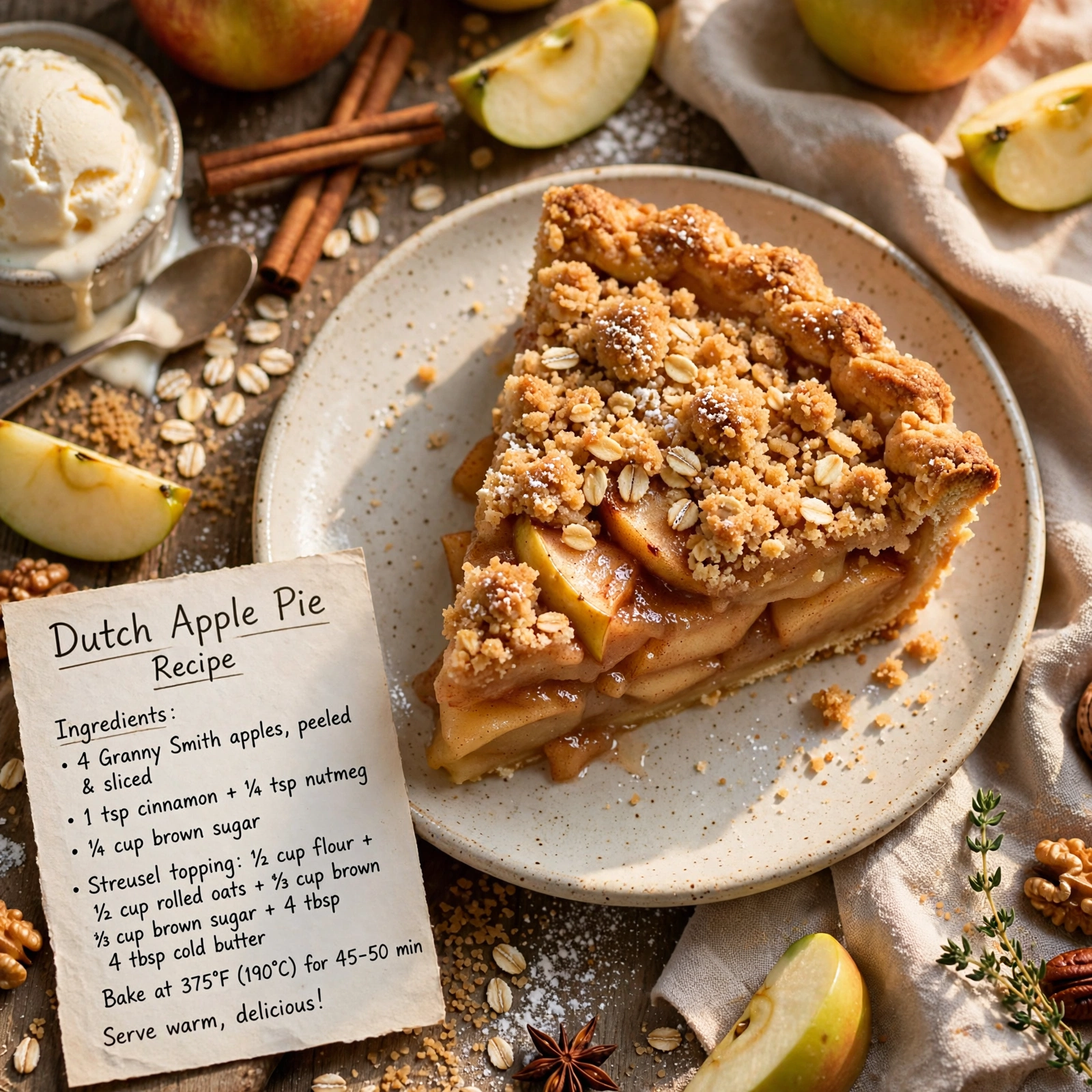
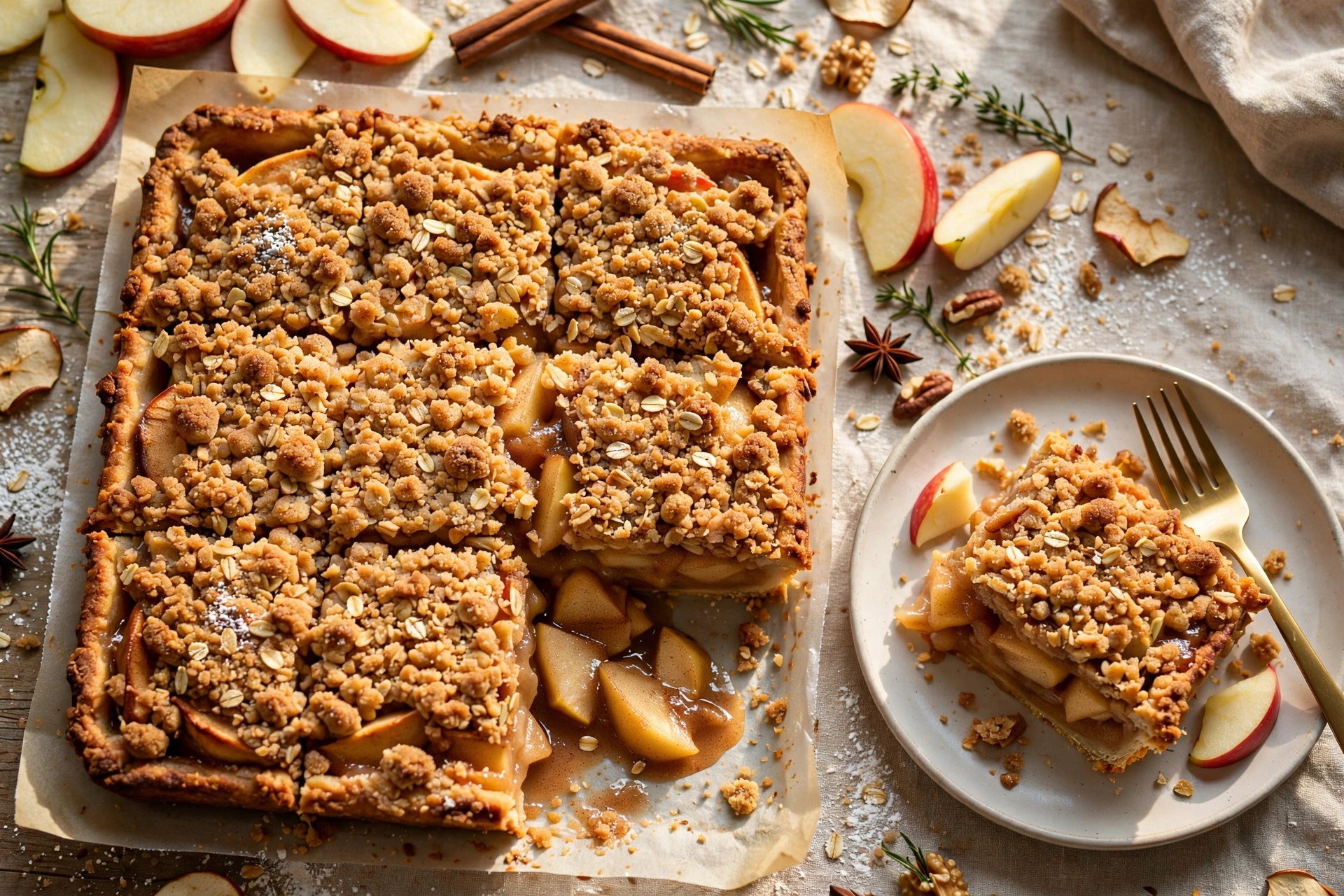
- A crumbled streusel topping instead of a second crust for an apple pie with shortbread crust feel throughout
- Simple straight strips woven into a basket weave lattice
- Scattered sliced almonds pressed into the egg wash before baking
If you are ever prepping desserts for a bake sale or pie auction ideas are on your mind, a lattice-topped Apfelkuchen tends to catch eyes immediately thanks to its tall, rustic profile.
Ready to make it? Here is the full step-by-step recipe:
German Apple Pie (Apfelkuchen) with Buttery Shortbread Crust
This German Apple Pie features a buttery shortbread crust, a thick layer of cinnamon-spiced apples, and a golden lattice top. It is the ultimate cozy dessert pie for any occasion.
Ingredients
- 3 cups all-purpose flour, plus more for dusting
- 3/4 cup granulated sugar, divided
- 1 1/2 tsp baking powder
- 1/2 tsp salt
- 1 cup unsalted butter, cold, cubed
- 1 large egg, plus 1 extra yolk for egg wash
- 1 tsp vanilla extract
- 3 lb apples, peeled, cored, and thinly sliced, tart baking variety like Boskoop or Granny Smith
- 1 tbsp lemon juice, freshly squeezed
- 2 tsp ground cinnamon
- 2 tbsp cornstarch, helps thicken the apple filling
- 3/8 cup raisins, optional, plumped in warm water
- 1/4 cup sliced almonds, for topping, optional
- 2 tbsp powdered sugar, for dusting once cooled
Instruction
In a large bowl, whisk together the flour, 1/2 cup of the granulated sugar, baking powder, and salt.
Cut the cold cubed butter into the flour mixture using a pastry cutter or your fingers until the mixture resembles coarse crumbs.
Add the egg and vanilla extract, then mix just until the dough comes together. Divide the dough into two portions, one slightly larger than the other, wrap in plastic, and chill for at least 30 minutes.
Preheat the oven to 350 degrees F (175 degrees C) and grease a 9 inch springform pan.
In a large bowl, toss the sliced apples with lemon juice, the remaining 1/4 cup granulated sugar, cinnamon, cornstarch, and raisins if using. Set aside.
Roll out the larger portion of dough and press it into the bottom and about 1.5 inches up the sides of the prepared pan to form a shallow crust.
Pour the apple filling evenly into the crust, mounding it slightly in the center.
Roll out the remaining dough and cut into strips for a lattice top, or roll it whole and cut decorative vents. Arrange over the apples in your preferred pattern.
Brush the top crust with the reserved egg yolk beaten with a splash of water, and scatter sliced almonds over the top if desired.
Bake for 50 to 55 minutes, until the crust is deep golden brown and the filling is bubbling at the edges.
Let the pie cool in the pan for at least 1 hour before releasing the springform sides. Dust with powdered sugar just before serving.
Equipment
- 9 inch springform pan
- Pastry cutter or fork
- Rolling pin
- Large mixing bowls
- Pastry brush
Notes
Serving and Storing Your Apfelkuchen
Let the pie rest for at least an hour before releasing the springform sides. This resting time allows the filling to firm up so your slices hold together instead of sliding apart. A generous dusting of powdered sugar just before serving gives it that classic bakery look.
Store any leftovers covered at room temperature for up to two days, or refrigerate for up to five. This is genuinely one of those desserts that tastes even better on day two, once the apples and crust have had time to meld together.
Chef's Tip: Warm slices gently in a low oven rather than the microwave if you have time. It keeps the shortbread crust from turning soft and helps it taste freshly baked again.
However you decide to top it, whether with a classic lattice or your own fancy apple pie crust design, this German Apple Pie is the kind of dessert that turns a regular afternoon into something worth savoring.