Tender Beef Chuck Roast (Slow-Braised in a Dutch Oven)
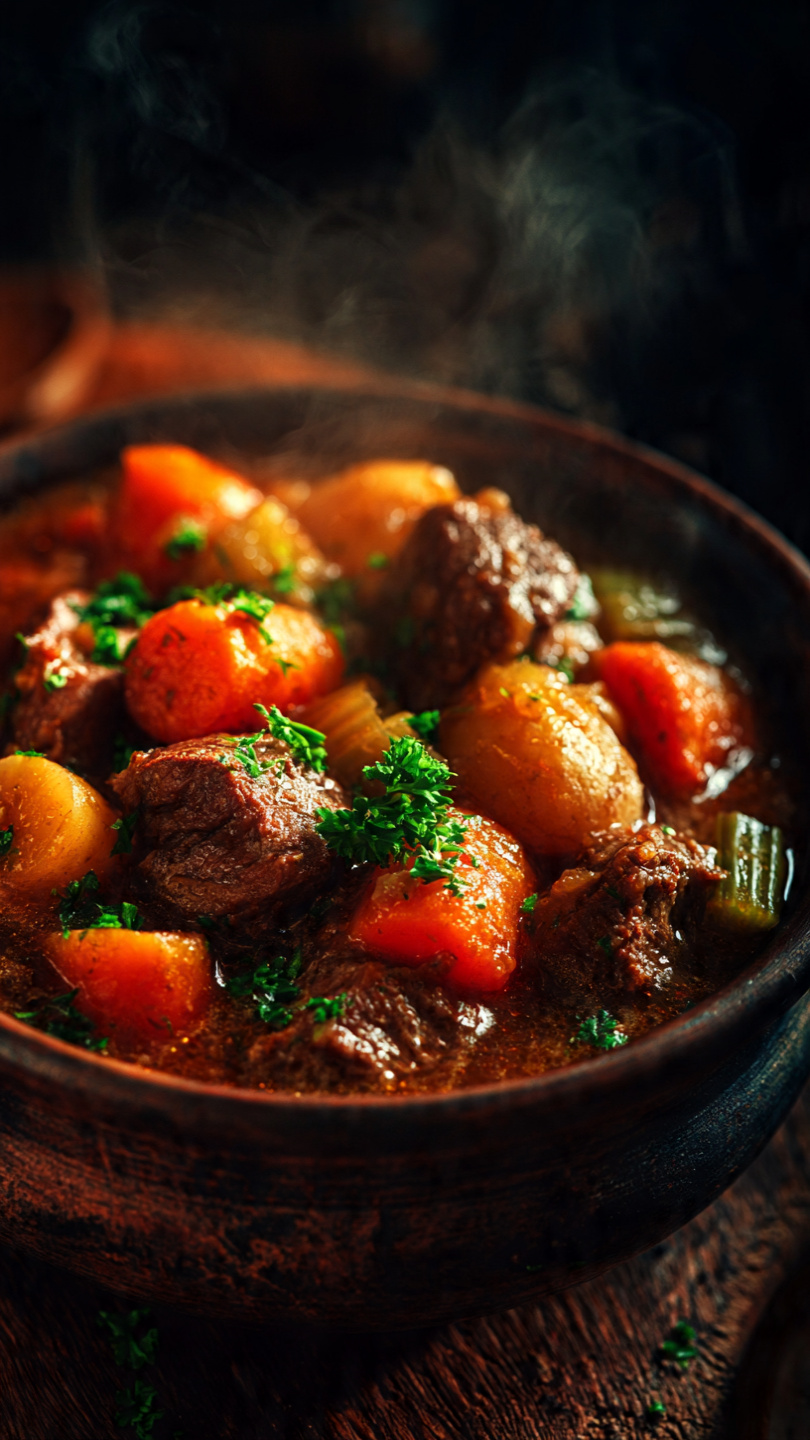
This fall-apart tender beef chuck roast is slow-braised in a rich, savory broth with vegetables until meltingly soft. The ultimate cozy pot roast recipe your whole family will request again and again.

The Only Beef Chuck Roast Recipe You Will Ever Need
There is a reason pot roast has been the centerpiece of Sunday dinners for generations. A slow-braised beef chuck roast transforms one of the most affordable cuts of beef into something that tastes deeply luxurious, fall-apart tender, and rich with savory flavor. This is comfort food in its purest form.
This recipe pulls from the classic tradition of Dutch oven recipes, where low, slow heat and a flavorful braising liquid do all the heavy lifting. By the time it comes out of the oven, your kitchen smells incredible and the meat quite literally melts when touched with a fork. Whether you call it a pot roast, a Sunday roast, or simply the best beef recipe for dinner you know, this one delivers every single time.
Before we get into it, a good result here genuinely depends on two things: the right cut of beef and the right vessel to cook it in. A heavy, enameled Dutch oven holds heat evenly and creates the ideal braising environment. These are the tools and pantry staples that make a real difference in this recipe:
Why Beef Chuck Is the Best Cut for Pot Roast
Not all beef roasts are created equal. You might see chuck roast, round roast, brisket, or rump roast at the butcher counter, and while all can be braised, beef chuck is the undisputed king of pot roast recipes for one simple reason: fat marbling.
Chuck comes from the shoulder of the cow, a well-worked muscle that is loaded with connective tissue and intramuscular fat. During the long, slow braise, that collagen melts down into rich, silky gelatin. The result is meat that is tender, juicy, and full of beefy flavor in a way that leaner cuts simply cannot replicate.
Chef's Tip: Look for a chuck roast with visible fat marbling and a deep red color. Avoid any pieces that look grey or overly trimmed. Bone-in cuts add extra richness to the braising liquid, but boneless works beautifully too.
When shopping, you may also see it labeled as chuck pot roast, blade roast, or shoulder roast. All are the same general cut and all will work perfectly here.
The Secret to Deep, Layered Flavor
The biggest difference between a good chuck roast and a truly unforgettable one comes down to two steps that many home cooks skip.
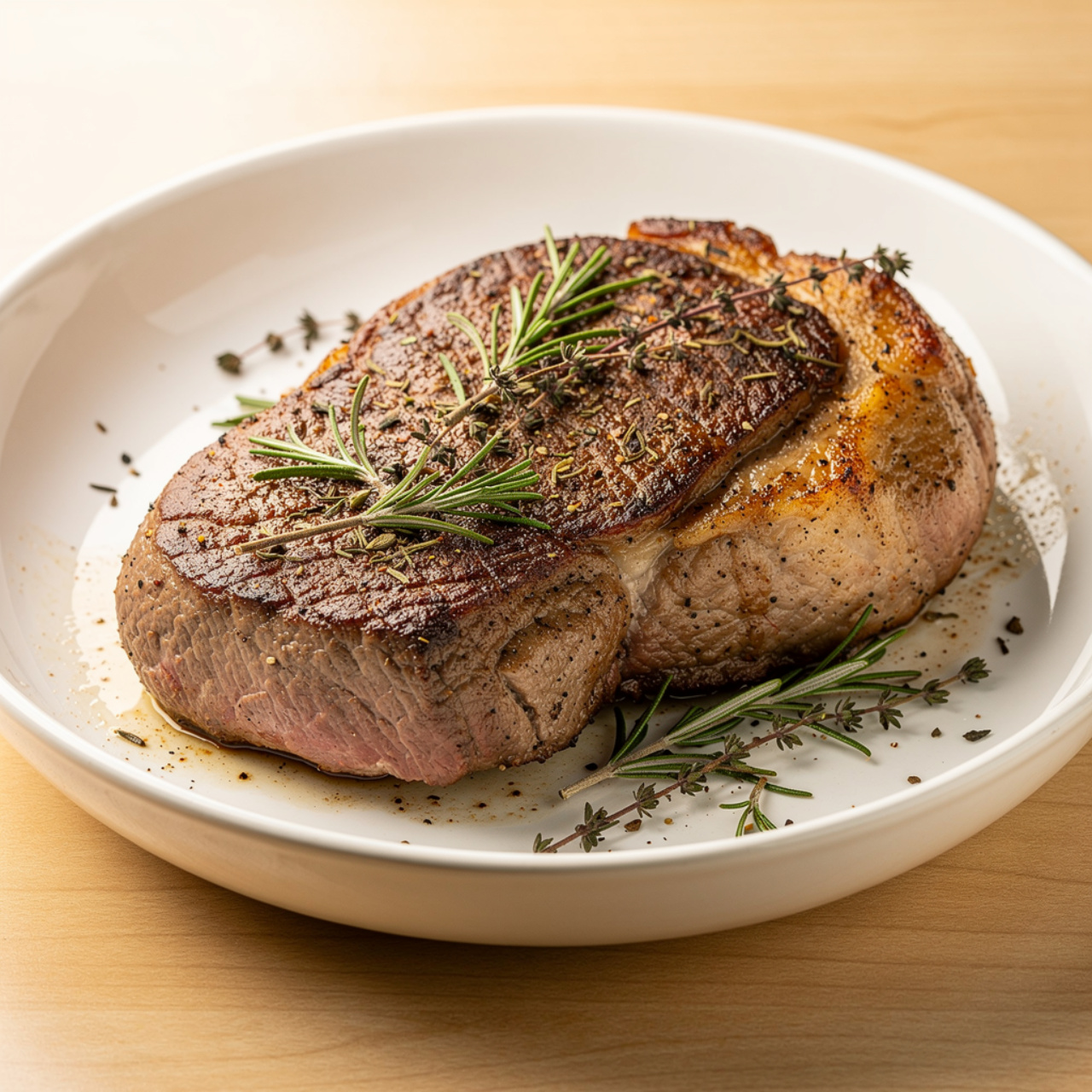
1. A proper sear. Do not rush this. Pat the meat completely dry and let it sear, undisturbed, in a hot pan until a genuine crust forms. This is where flavor is built. A grey, steamed roast is the enemy. You want deep, caramelized mahogany on all sides.
2. Cooking the tomato paste. After your aromatics soften, press the tomato paste directly into the hot pan and let it caramelize for a couple of minutes before adding liquid. This tiny step dramatically deepens the flavor of your braising liquid and gives the final sauce a rich, complex backbone.
Beyond those two techniques, the rest of these easy beef recipes principles apply: good quality low-sodium broth, a splash of red wine for acidity and complexity, and fresh herbs to round everything out.
Chef's Tip: If your sear is producing more steam than sizzle, your pan is overcrowded or not hot enough. Sear in batches if necessary and always start with a dry surface on the meat.
Building the Perfect Braising Liquid
The braising liquid in chuck roast recipes is not just a cooking medium. It becomes your sauce, and it deserves real attention. Here is what each component brings to the pot:
- Red wine adds acidity, tannins, and depth. A Cabernet or Merlot works perfectly. If you prefer to skip it, just add more broth.
- Beef broth is the backbone. Use low sodium so you can control the final seasoning.
- Worcestershire sauce adds umami and a subtle savory complexity that rounds out the other flavors.
- Fresh thyme, rosemary, and bay leaves infuse the liquid with herbal warmth throughout the long cook.
- Tomato paste adds body, color, and a quiet richness that elevates the whole braise.
The liquid should come about halfway up the sides of the roast. You are braising, not boiling. That exposed top surface will concentrate and deepen as it cooks.
Ready to make it? Here is the full step-by-step recipe:
Tender Beef Chuck Roast (Slow-Braised in a Dutch Oven)
This fall-apart tender beef chuck roast is slow-braised in a rich, savory broth with vegetables until meltingly soft. The ultimate cozy pot roast recipe your whole family will request again and again.
Ingredients
- 3 lb beef chuck roast, bone-in or boneless, about 2-3 inches thick
- 2 tsp kosher salt, plus more to taste
- 1 tsp black pepper, freshly ground
- 2 tbsp vegetable oil, or avocado oil
- 1 yellow onion, roughly chopped
- 3 carrots, peeled and cut into 2-inch chunks
- 3 celery stalks, cut into 2-inch pieces
- 5 garlic cloves, smashed
- 2 tbsp tomato paste
- 1/2 cup dry red wine, such as Cabernet Sauvignon or Merlot; sub with extra broth if preferred
- 2 cups beef broth, low sodium
- 1 tbsp Worcestershire sauce
- 4 fresh thyme sprigs, or 1 tsp dried thyme
- 1 fresh rosemary sprig, or 0.5 tsp dried rosemary
- 2 bay leaves
- 1 1/2 lb Yukon Gold potatoes, halved or quartered if large
Instruction
Preheat your oven to 325 degrees F (165 degrees C).
Pat the beef chuck roast completely dry with paper towels. Season generously on all sides with kosher salt and black pepper.
Heat the oil in a large Dutch oven over medium-high heat until shimmering. Sear the roast for 4 to 5 minutes per side, undisturbed, until a deep mahogany crust forms. Transfer to a plate and set aside.
Reduce heat to medium. Add the onion, carrots, and celery to the pot. Cook, stirring occasionally, for 5 minutes until softened and lightly golden. Add the smashed garlic and cook for 1 minute more until fragrant.
Push the vegetables to the sides and add the tomato paste to the center of the pot. Cook the paste, stirring it into the vegetables, for 2 minutes until it darkens slightly. This step deepens the overall flavor.
Pour in the red wine and scrape up any browned bits from the bottom of the pot using a wooden spoon. Let the wine reduce for 2 minutes.
Add the beef broth, Worcestershire sauce, thyme, rosemary, and bay leaves. Stir to combine. Nestle the seared chuck roast back into the pot. The liquid should come about halfway up the sides of the meat.
Bring the liquid to a gentle simmer, then cover the Dutch oven with its lid and transfer to the preheated oven.
Braise for 2 hours. Remove the lid, add the potatoes around the roast, and return to the oven uncovered for 45 to 60 minutes more, until the roast is fork-tender and pulls apart easily and the potatoes are cooked through.
Remove and discard the thyme sprigs, rosemary sprig, and bay leaves. Taste the braising liquid and adjust salt and pepper as needed.
Transfer the roast to a cutting board and let it rest for 10 minutes before shredding or slicing. Serve with the vegetables and a generous ladleful of the pan juices.
Equipment
- Large Dutch oven (5.5 to 7 quart)
- Tongs
- Wooden spoon
- Cutting board
- Paper towels
- Ladle
Notes
Serving Suggestions and Variations
This beef chuck roast is a full meal on its own with the potatoes and vegetables cooked right in the pot. But a few simple additions take it over the top:
- Creamy mashed potatoes to soak up every drop of the braising liquid
- Crusty bread for serving alongside
- A simple green salad to balance the richness
- Egg noodles, if you want to lean into a more classic pot roast presentation
For variations, try adding parsnips or turnips in place of or alongside the carrots. A handful of cremini mushrooms added in the last hour adds an earthy depth. For a slightly sweeter profile, a tablespoon of balsamic vinegar stirred in at the end is a wonderful finishing touch.
Leftovers Worth Celebrating
If you somehow have leftovers, consider yourself lucky. Shredded beef chuck reheated the next day makes extraordinary beef tacos, a filling for grilled cheese sandwiches, or the base of a quick beef and vegetable soup using the leftover braising liquid as your broth. Store everything together submerged in the cooking juices and the meat stays moist and flavorful for days.